
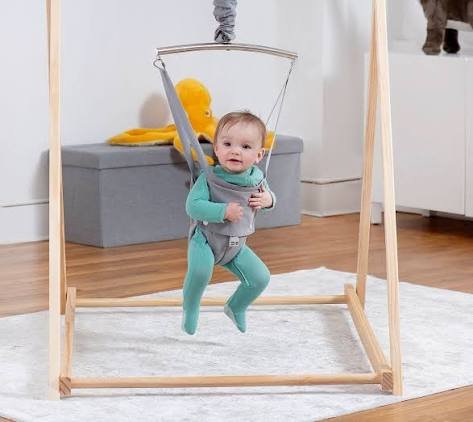
A baby bouncer can be a convenient addition to life with a young baby. It provides a comfortable place where an infant can relax, observe their surroundings, or enjoy gentle movement while a parent handles everyday tasks.
However, a bouncer is not a substitute for a crib or other approved sleep space. Choosing the right design and using it correctly are important for keeping your baby comfortable and safe.
This guide explains what a baby bouncer is, how it works, what features parents should consider, and the safety precautions worth knowing before buying one.
What Is a Baby Bouncer?
A baby bouncer is a small, lightweight infant seat designed to support a baby in a reclined position. Many models have a flexible frame that responds to a baby’s movements, while others include gentle vibration or manually operated rocking.
Unlike a traditional baby swing, a bouncer is often simpler and more portable. It can be useful during supervised awake time when you need a secure place to put your baby nearby.
The exact age and weight limits vary between products, so parents should always follow the manufacturer’s instructions.
How Does a Baby Bouncer Work?
A typical baby bouncer uses a supportive fabric seat attached to a flexible frame. When the baby moves, the seat may gently bounce, creating a soothing motion.
Some designs include removable toys, activity bars, vibration features, or adjustable recline positions. These additions can make the seat more engaging, but they should never distract from the most important consideration: safe positioning.
A bouncer should always be placed on a stable, flat floor rather than an elevated surface such as a table, bed, sofa, or countertop.
Baby Bouncer vs. Baby Swing
Although both products provide movement, they are designed differently. A bouncer generally relies on the baby’s movements or a parent’s gentle interaction, while a swing typically uses a mechanical or powered motion.
A baby bouncer is often easier to move around the home because of its compact design. A swing may provide more features but can take up considerably more space.
The better choice depends on your baby’s needs, available space, and how you intend to use the product.
Important Baby Bouncer Safety Tips
Safety should come before convenience when using a baby bouncer. The U.S. Consumer Product Safety Commission and pediatric safety organizations emphasize that inclined products are not appropriate for routine infant sleep.
If your baby falls asleep in a bouncer, move them to a firm, flat, approved sleep surface as soon as practical. The bouncer should be used for supervised awake time rather than overnight or unsupervised sleep.
Always use the manufacturer’s restraint system according to its instructions. Never place the bouncer on a raised surface, and stop using it when your child reaches the product’s stated weight, developmental, or age limit.
Features to Consider When Buying a Baby Bouncer
When shopping for a baby bouncer, look for a sturdy frame and a well-designed harness that keeps your baby properly positioned. The seat should provide appropriate support without allowing the baby’s head to fall forward.
Portability can also matter, especially if you want to move the bouncer between rooms. A removable and washable cover can make everyday cleaning much easier.
Extra features such as toys, vibration, or music can be convenient, but they are secondary to stability, restraint quality, clear instructions, and compliance with applicable safety standards.
Comfort and Support
A good baby bouncer should provide suitable head, neck, and body support for the intended age range. Avoid adding pillows, blankets, cushions, or aftermarket accessories unless the manufacturer specifically approves them.
Additional padding can change the baby’s position and potentially create a safety hazard. The safest approach is to use the product exactly as designed.
How Long Can a Baby Use a Bouncer?
There is no universal age for every baby bouncer because products have different specifications. Some are designed for newborns, while others require a baby to meet particular developmental conditions.
Always check the product’s manual for its minimum and maximum requirements. Stop using the bouncer when the manufacturer says to do so, especially once the child can sit independently, roll, or otherwise reach a stage that makes the product unsuitable.
Cleaning and Maintaining a Baby Bouncer
Babies can make messes, so easy maintenance is valuable. Check whether the cover can be removed and machine washed, and follow the manufacturer’s cleaning instructions.
Regularly inspect the frame, fabric, harness, buckles, and attachment points for damage. If a component is broken, loose, or missing, discontinue use until the issue has been properly addressed.
Parents should also check for product recalls before purchasing a used baby bouncer. The CPSC recall database can be a useful resource for U.S. consumers.
FAQs About Baby Bouncers
Is a baby bouncer safe for newborns?
Some bouncers are specifically designed for newborns, but requirements differ. Always follow the manufacturer’s minimum age, weight, and developmental guidelines.
Can a baby sleep in a baby bouncer?
A bouncer should not be used as a routine sleep space. If your baby falls asleep, move them to a firm, flat, approved infant sleep surface.
How long can a baby sit in a bouncer?
The appropriate duration depends on the baby’s age, development, and the manufacturer’s instructions. Use it for supervised awake periods and provide plenty of opportunities for free movement.
What should I look for in a baby bouncer?
Prioritize stability, a secure restraint system, appropriate body support, clear safety instructions, washable materials, and compliance with relevant safety standards.
Can I buy a used baby bouncer?
You can, but carefully check its condition, model information, safety instructions, and recall history. Never use one with damaged parts or missing safety components.
Conclusion
A baby bouncer can be a practical tool for supervised, awake baby time when it is selected and used correctly. Its compact design and gentle movement can make everyday routines easier for parents.
The key is to treat a bouncer as a temporary activity seat, not a sleeping environment. Follow the manufacturer’s instructions, use the harness correctly, keep the product on the floor, and move a sleeping baby to a safe sleep surface.
With thoughtful selection and responsible use, a baby bouncer can be a useful part of your baby’s early months.
From Website RedAndWhiteMagz.com Blog